New WhatsApp New Feature: SIM-binding Rules to Impact Indian Users in 2027
Starting January 1, 2027, users in India must have an active SIM card inside their device to use messaging services like WhatsApp and Telegram. This whatsapp new feature requirement, mandated by the Department of Telecommunications, means accounts will stop functioning if the registered SIM is removed or deactivated. You should ensure your registered mobile number remains tied to an active SIM or eSIM to avoid losing access.
What is changing for messaging app users?
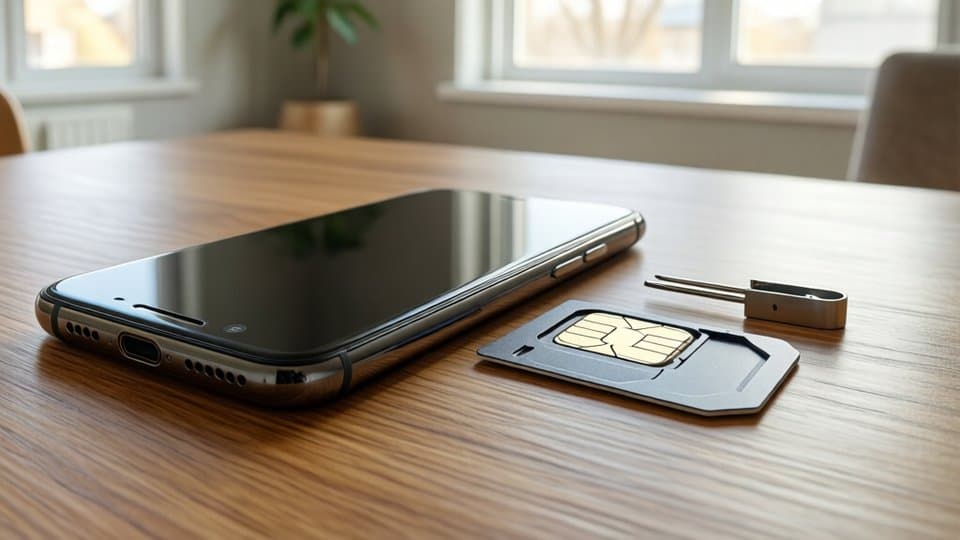
Messaging platforms must implement SIM-binding to ensure that user accounts are continuously linked to the specific active SIM card associated with their registered mobile number. If a user removes their SIM, the app will suspend functionality until that number is restored via a valid SIM or eSIM profile.
The Department of Telecommunications (DoT) has set a compliance deadline of December 31, 2026, for these platforms to meet the new standards. According to Mashable, the directive falls under the Telecom Cyber Security Rules, 2024. This mandate affects several services, including:
- Telegram
- Signal
- JioChat
- ShareChat
- Arattai
While most major services are included, reports from Free Press Journal indicate that Snapchat is not expected to be covered by this specific mandate. Additionally, the rules introduce new security measures for desktop users. Web versions of these messaging services must now log users out at least once every six hours, requiring a new QR code scan to reconnect.
Why is the government mandating SIM binding?
The primary goal is to reduce cybercrime, specifically phishing, cross-border fraud, and "digital arrest" scams. By forcing a physical or digital link between an account and a local SIM, the government aims to stop criminals from using Indian numbers to commit crimes from abroad.
According to the DoT, fraud networks have been using a loophole where they purchase Indian SIM cards to register accounts and then operate them from outside the country. This allows them to appear as local users while conducting illegal activities. The government has noted that Indian consumers have suffered large financial losses from these cyber frauds in recent years.
The new framework makes it much harder for fraudsters to exploit the system. If an account is not tied to an active SIM on the device, it will simply cease to work. This prevents the indefinite use of stolen or abandoned numbers for malicious purposes.
Who will be most affected by these rules?
The changes will primarily impact users who do not keep their registered SIM card in the same device they use for messaging. This includes people who rely heavily on Wi-Fi or those who use their accounts across multiple devices without a cellular connection.
Specific groups that may face disruptions include:
- Users who keep their registered SIM in a secondary phone while using the app on a tablet or another smartphone.
- People who remove their SIM card after the initial account setup is complete.
- Individuals who travel abroad and deactivate their Indian SIM cards.
- Dual-SIM users who may inadvertently deactivate the number linked to their messaging profiles.
It is important to clarify that these rules are not about specific hardware. According to Free Press Journal, the restrictions are linked to account authentication and SIM verification rather than specific iPhone or Android models. As long as the number is active via a physical SIM or an eSIM, the device type should not matter.
What can you do to prepare for 2027?
You can prepare by ensuring your messaging accounts are tied to a SIM or eSIM that you intend to keep active. You do not need to buy new hardware, but you must change how you manage your cellular connections and account registrations.
Follow these steps to maintain access:
- Verify which mobile number is currently registered to your WhatsApp or Telegram accounts.
- Ensure that the SIM card associated with that number remains active and is not deactivated due to non-use.
- If you use an eSIM, confirm that the profile remains valid and installed on your device.
- If you use multiple devices, ensure the primary SIM for your account stays in your main device.
If you frequently switch between different SIM cards, you may need to re-verify your accounts more often to comply with the new authentication requirements. Keeping your registered number active is the only way to guarantee uninterrupted service.
What happens next for messaging platforms?
The next phase involves the technical implementation of these rules by the service providers. Companies have until the end of 2026 to update their software to support the SIM-binding verification process and the new six-hour web logout requirement.
Some companies have already begun moving toward compliance. For instance, Apple has reportedly introduced an iOS update to help detect when an iPhone is operating without a physical SIM, which may assist in meeting these new standards. However, the exact implementation details for apps like Signal remain uncertain. Reports suggest that Signal had not responded to government notices at the time of recent reviews.
The rollout will be a transition from the current flexible registration model to a strict, hardware-linked model. Once the January 1, 2027, deadline passes, the enforcement of the SIM-binding rule will be active across all participating messaging services in India.
How will this affect my device security?
The new rules are designed to increase security by making it harder for unauthorized users to hijack your identity via messaging apps. By linking your account to your physical SIM, the government adds a layer of hardware-based verification.
While this improves security against cross-border scammers, it also means you have more responsibility for your SIM card. If you lose your SIM or it expires, you will lose access to your messaging accounts until you can restore that specific number. This is a trade-off between ease of use and protection against digital fraud.
Frequently Asked Questions
Will WhatsApp stop working on my iPhone or Android?
No, the rules are not based on your phone model. They are based on whether the SIM card linked to your account is active and present in the device.
Can I still use WhatsApp on Wi-Fi only?
You can use Wi-Fi, but the app will require an active SIM or eSIM to be present in the device to verify your identity and maintain the connection.
Does this rule apply to eSIMs?
Yes, the regulations apply to both physical SIM cards and eSIM profiles, as long as the registered mobile number is associated with an active profile on the device.
SEO Meta Description: Learn how the new SIM-binding rules will affect WhatsApp and Telegram in India starting January 2027 and what you must do to keep your accounts active.
URL Slug: whatsapp-telegram-sim-binding-rules-2027
Sources
- 1.in.mashable.comNo Active SIM, No WhatsApp Or Telegram? Here's What Changes for Users From January 2027
- 2.moneycontrol.comWhatsApp, Telegram and other messaging apps to stop working from January 1, 2027: Here's what you need to know
- 3.freepressjournal.inSIM-Binding Rule: What Changes For WhatsApp, Telegram And Other Messaging Apps From January 1
- 4.assamtribune.comWhatsApp, Telegram to face new SIM rules from january 2027